A reading in the afternoon
The View, first floor, Aras na Mac Leinn
University of Galway
Galway, Ireland
The Bridges 2026 Poetry Reading is coordinated by Sarah Glaz, Emeritus Professor of Mathematics at the University of Connecticut, and Lisa Lajeunesse, professor of Mathematics at Capilano University.
The Bridges poetry readings feature poetry with strong links to mathematics, a great variety of topics, and a wide range of poetic styles. This year's poetry reading offers the work of a diverse and
exciting group of poets. The program will begin with twelve prominent poets reading selections from their work, followed by an Open Mic, Shorter Readings, and Late Additions period in which other
Bridges 2026 participants will read their own mathematical poems. The poetry reading is part of the Bridges 2026 Family Day, which is free and open to the public. Details about the venue and the
program will be posted here as we get closer to the conference's date. The Bridges 2026 Poetry Reading website offers along with biographical information, links to sample poems by the participating
poets. Information about past Bridges poetry readings, Bridges poetry anthologies, and related poetry publications by the Bridges poets appears on the Bridges organization site at:
Remembering Emily Grosholz (1950 - 2026)
Who will believe me later, when I say
We lived in a state of music? Passing birds
-- from: "The Last of the Courtyard" by Emily Grosholz
Emily Grosholz passed away this May. A wonderful poet, remarkable scholar, and joyful and generous friend,
she was part of theBridges poetry community since its inception. Emily's luminous poems enriched the Bridges
poetry readings and anthologies and delighted Bridges attendees in poetry workshops and presentations. She
could always be counted on to help when needed, from hosting a reading to distributing programs at the door.
We were fortunate to have known her and be left with the gift of her poems. We will feature Emily's poetry at
the Bridges Galway poetry reading.
Emily's poetry at the Poetry Foundation site and her farewell villanelle at theWPSU Poetry Moment.
Celebrate her life and mourn her passing!
We will miss you, Emily!
About the Coordinators and the Invited Poets
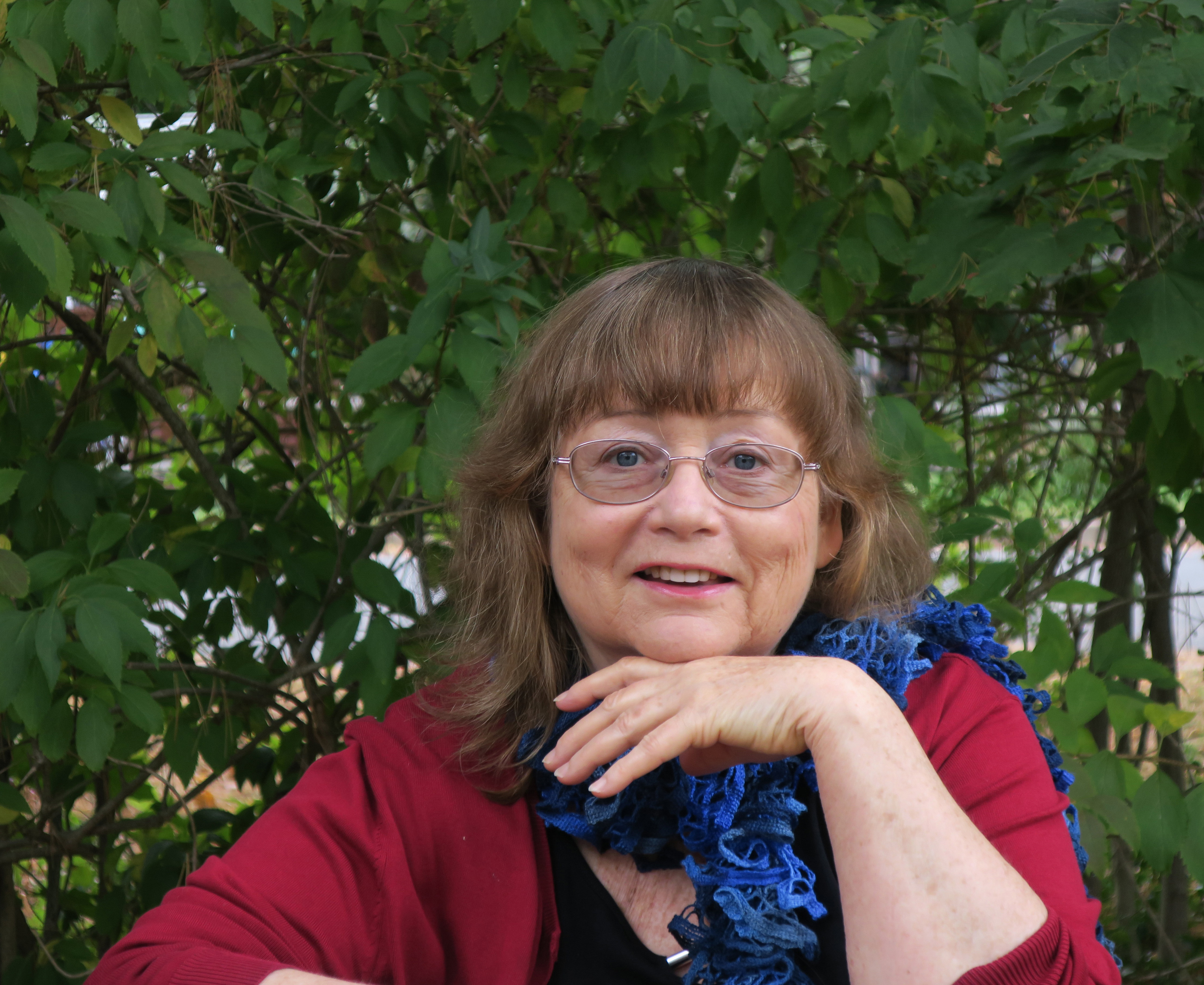
Sarah Glaz's poetry collection Ode to Numbers (Antrim House, 2017) was a finalist for both Next Generation Indie Book Awards and Book Excellence Awards. Sarah is Emeritus Professor of Mathematics at the University of Connecticut specializing in the mathematical area of Commutative Algebra. Her poetry, poetry translations, collaborative work with visual artists, and articles on the connections between mathematics, history, and poetry have appeared in a variety of literary and mathematical venues. Sarah serves as Associate Editor for the Journal of Mathematics and the Arts, and as the poetry reading co-chair of the annual Bridges conferences. She co-edited the poetry anthology, Strange Attractors (CRC Press, 2008), and edits the Bridges Poetry Anthology series. Currently, Sarah works with collage artist Mark Sanders on a poem-collage project involving the history of ancient mathematics.
|
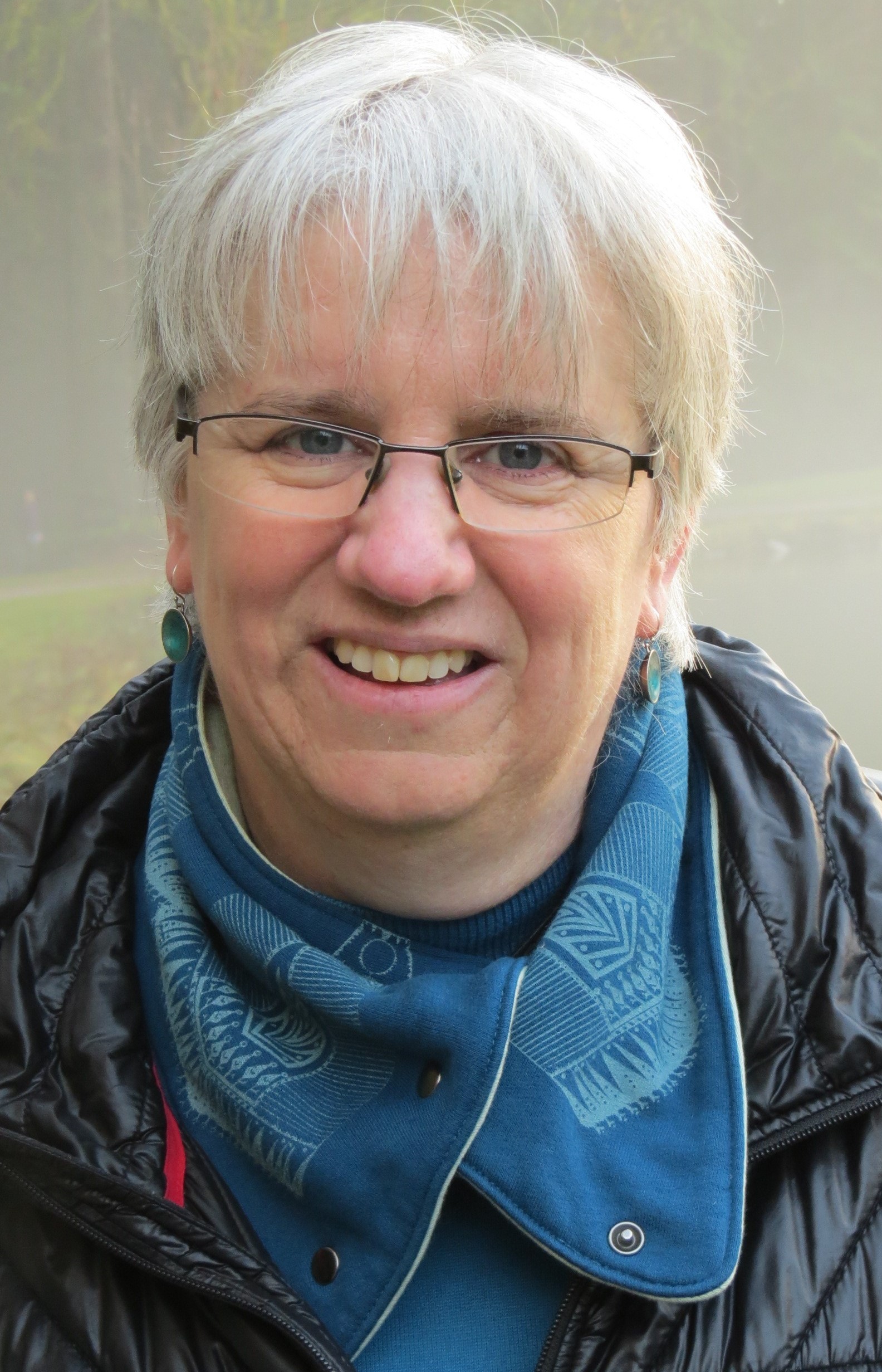
Lisa Lajeunesse is a professor of
Mathematics at Capilano University in North
Vancouver. Before that, she worked for ten years
with Telesat Canada on the launch and control of
Canada's communication satellites. At Capilano
University, she has developed and taught courses on
the connections between mathematics and the arts to
reach out to non-science students, and to express
her lifelong passion for poetry, creative writing,
music and other art forms. During a sabbatical, she
wrote a textbook for these courses, which prompted
her to attend Bridges for the first time. Since
then, she has been inspired by the community of
Bridges poets to include more mathematics in her
poetry. Lisa serves as the poetry reading co-chair
of the Bridges 2026 conference. Recently, she's
become preoccupied with poetic forms that use the
golden ratio.
Website: https://lisalajeunessepoetry.wordpress.com/ Sample poem: Parallel Universe |
|
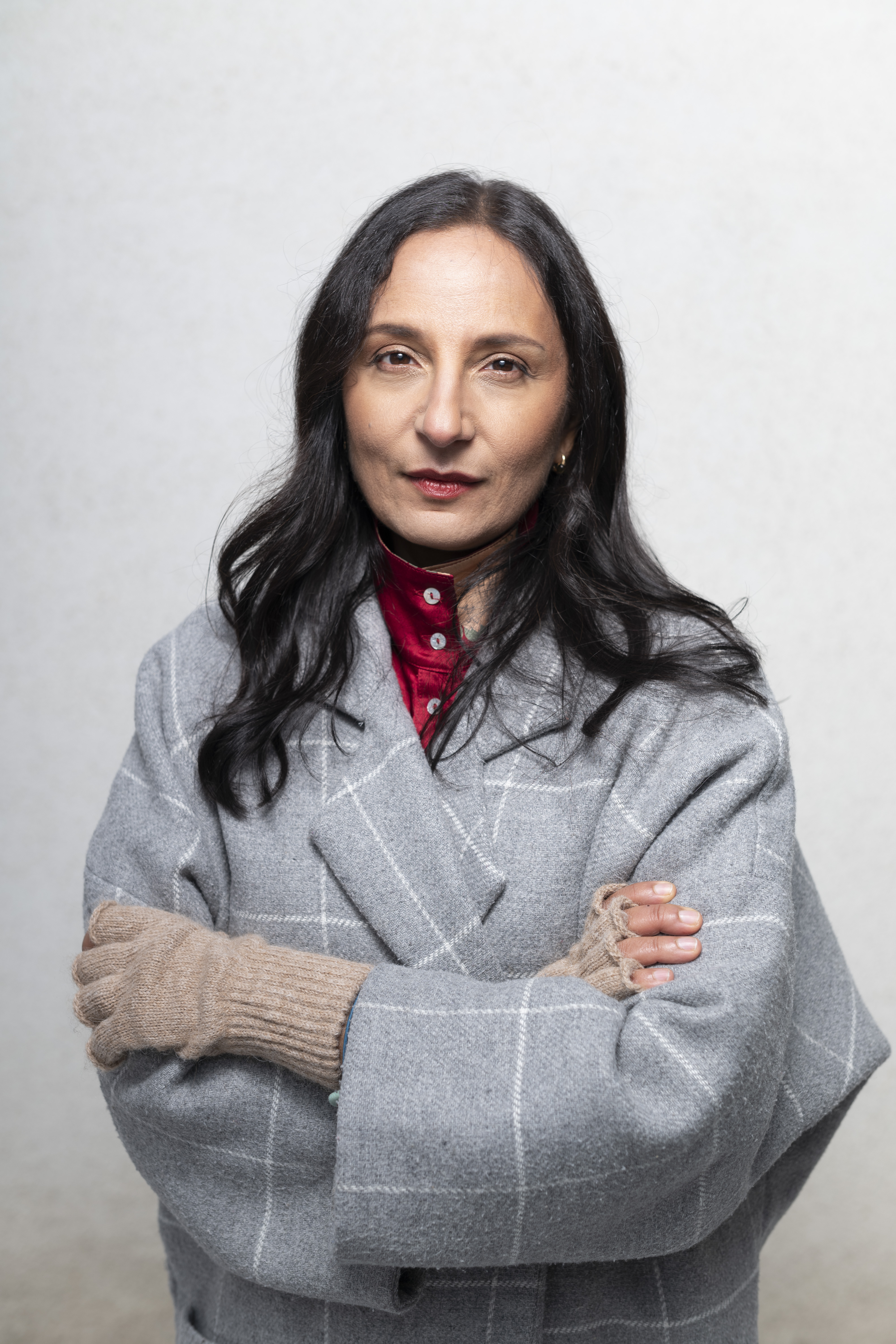
Madhur Anand's debut memoir This Red
Line Goes Straight to Your Heart (2020) won
the Governor General's Literary Award for Nonfiction.
Her debut poetry collection A New Index for
Predicting Catastrophes (2015) was a finalist
for the Trillium Book Award and was named one of 10
all-time trailblazing poetry collections by the Canadian
Broadcasting Corporation (CBC). Her second poetry
collection Parasitic Oscillations (2022)
was also a finalist for the Trillium Book Award and was
named a Globe and Mail Top 100 Book. To
Place a Rabbit (2025), her first novel, was
named one of the best books of 2025 by both Globe and
Mail and CBC. Her books were published with
Penguin Random House Canada. Madhur is a professor and
the director of the Global Ecological Change and
Sustainability Laboratory at the University of Guelph,
Ontario.
Sample poem: Hill Country, Old Mercedes, and Parturition |
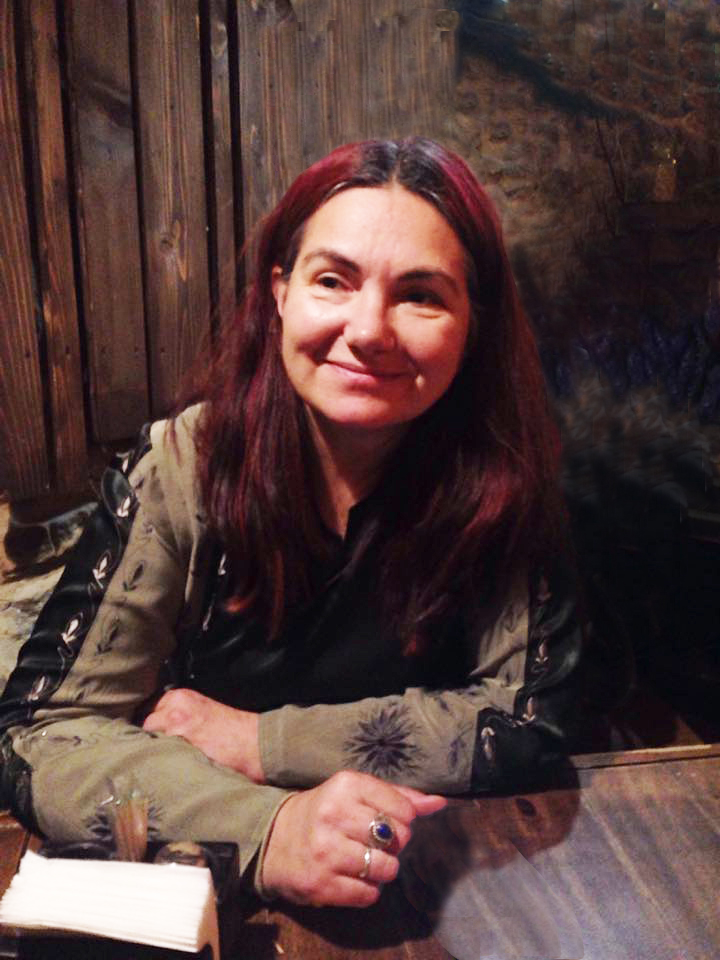
Tatiana
Bonch-Osmolovskaya was born in the former
Soviet Union and studied physics at Moscow Institute
of Physics and Technology and philology at Moscow
State Humanitarian University, where she earned a
Ph.D. in Russian experimental poetry. Tatiana is
author of sixteen books in Russian
and co-editor of the anthology, Freedom of
Restriction. Her poetry in English appeared in:
Bridges, London Grip, POEM, Rochford
Street Review, and Journal of
Humanistic Mathematics. Tatiana teaches
courses on the history of mathematics in WEA Sydney
and courses of mathematical arts for gifted and
talented school students in UNSW. She is
in the editorial committee of Articulation and the
board of PEN Moscow, and was guest-editor of a Symmetry literary
issue. Tatiana organized the Mathematics and
Arts seminar, the GolosA
Festival of Combinatorial Poetry, and the Symmetry
Festival Literary Session. Website: http://antipodes.org.au/en.aboutTatianaBonch.html Sample poem: Triple
Creation
|
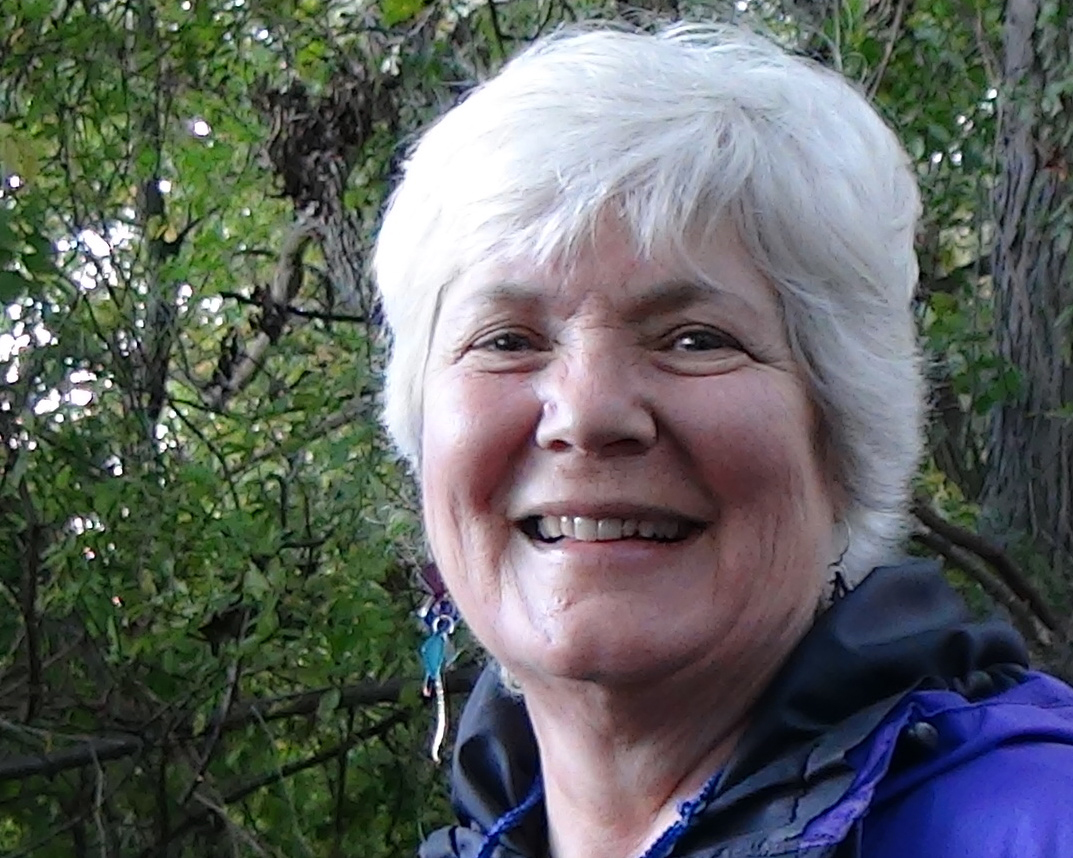
Robin Chapman
is a poet, painter, and developmental
psycho-linguist. Professor Emerita of Communication
Sciences and Disorders at the University of
Wisconsin-Madison and Emerita Principal Investigator
at the Waisman Center -- where
she studied language development in children with
Down syndrome -- she is a fellow of the Wisconsin
Academy of Sciences, Arts and Letters. Robin
co-organized the UW
Chaos and Complex Systems seminar (1994-2020), and
is author of ten books of poetry, including Panic
Season, The Only Home We Know, the
eelgrass meadow, One Hundred White Pelicans, Abundance,
Six True Things, and, with physicist
J.C. Sprott, Images of a Complex World: The Art
and Poetry of Chaos (World Scientific,
2005). Her awards include the Posner Book Award, the
Wisconsin Library Association's Outstanding Book
Award, the Cider Press Editor's Book Award, and the
Helen Howe Poetry Award. Website: http://robinchapmanspoetryandpainting.blogspot.com/
Sample poem:
Mary
Laycock |
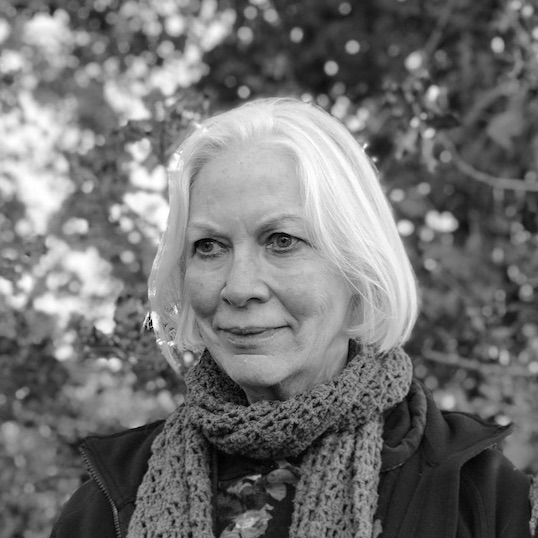
Marian Christie grew up in what is now Zimbabwe. Drawn to both the arts and the sciences, she wrote poetry from an early age, finding inspiration in the southern African landscape. At university she studied applied mathematics and went on to teach mathematics at schools in the Middle East and Scotland. Throughout her teaching career, she sought creative ways to stimulate students' interest and enjoyment in mathematics, particularly through cross-disciplinary projects incorporating the arts and humanities. Now retired from teaching, she lives in the south east of England. Marian's published work includes a collection of essays From Fibs to Fractals: exploring mathematical forms in poetry (Beir Bua Press, 2021), and three books of mathematically themed poetry: Fractal Poems (2021), Triangles (2023), and Sky, Earth, Other (2024), all published by Penteract Press. Website: https://marianchristiepoetry.net/ Sample poem: Tree Clambering |
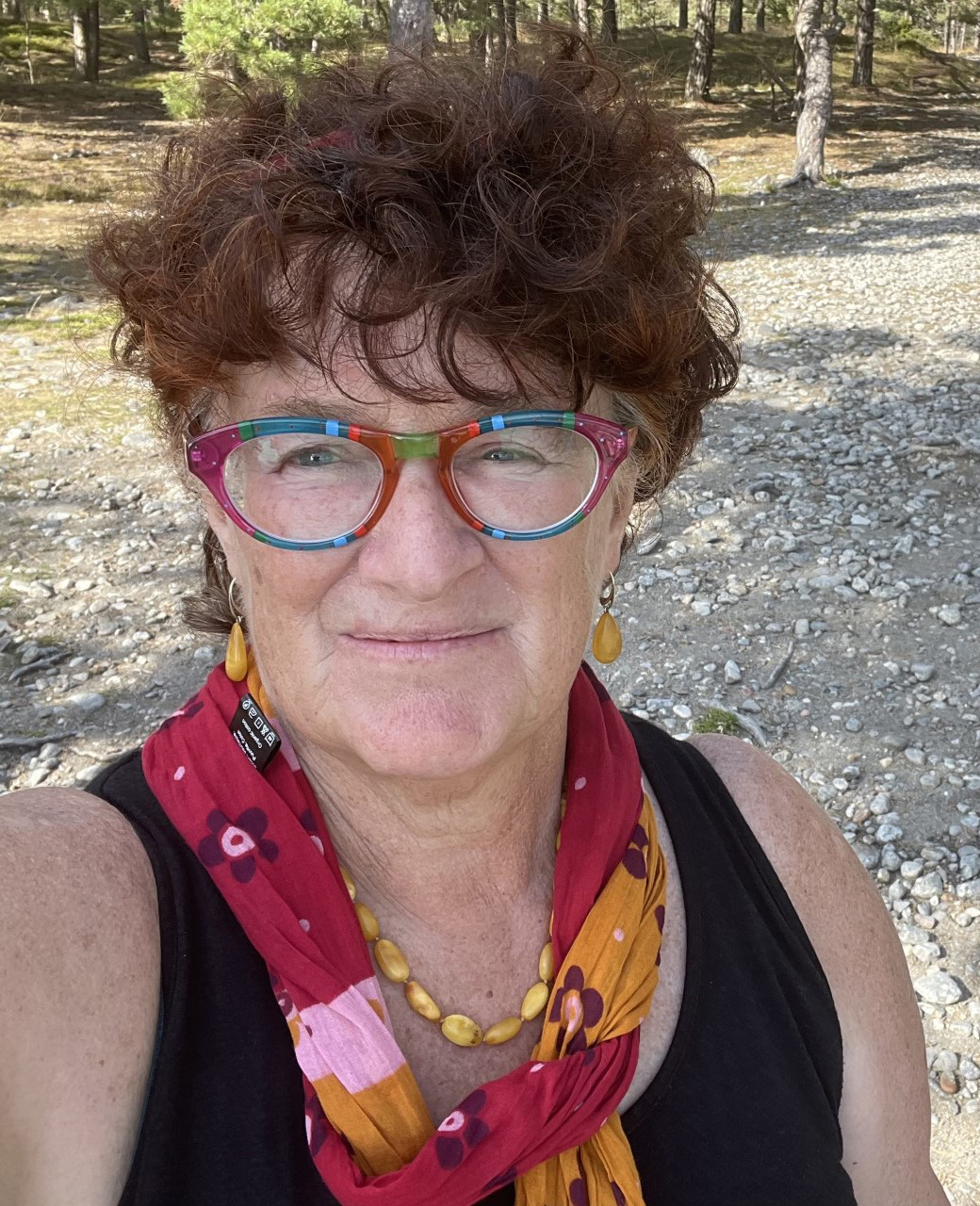 Susan Gerofsky is
an Associate Professor of Mathematics Education
and Environmental Education at the University of
British Columbia, Vancouver, BC, Canada. Her
interdisciplinary research is in embodied,
multi-sensory, multi-modal mathematics education
through the arts, movement, gesture and voice. She
works in curriculum studies, environmental
garden-based education, the language and genres of
mathematics education, and media theory.
Dr. Gerofsky is academic advisor and
co-founder of the UBC Orchard Garden, a
student-led campus learning garden. She is active
as a poet, playwright, musician and filmmaker, and
also works with dance and fiber arts. You'll often
find her cycling around town with a baritone horn
or an accordion. Susan
contributed to the award-winning book, Poetic
Inquiry: Enchantment of Place (Vernon Press, 2017) and has a verse
play, Kepler:
A Renaissance Folk Play, published in The
Mathematical Intelligencer.
Sample poem: Golden Slumbers |
Britt Kaufmann is lucky to live in Indiana where
she writes in a room of her own. A former English
teacher turned math tutor, her most recent collection of
poetry Midlife Calculus blends her love
of puns, mathematics, and creative expression. Her math
poems have appeared in Scientific American, MAA:
FOCUS, The Journal of Humanistic Mathematics, and J
Journal: New Writing on Justice. The book,
inspired by learning calculus for the first time at age
47 so she could cross it off her bucket list, won the
2025 NAIWE Poetry Book Award and received a Silver
distinction from the Book Awards at IPNE. She helped
found the Carolina Mountains Literary Festival and
hosted an open-mic poetry reading for more than a
decade. Her pastimes include gardening and reading
science fiction -- her next writing adventure. Website: https://www.brittkaufmann.com/ Sample poem:
Midlife
Calculus |
|
Website: https://talkingwriting.com/daniel-may-poem Sample poem: Division by Zero
|
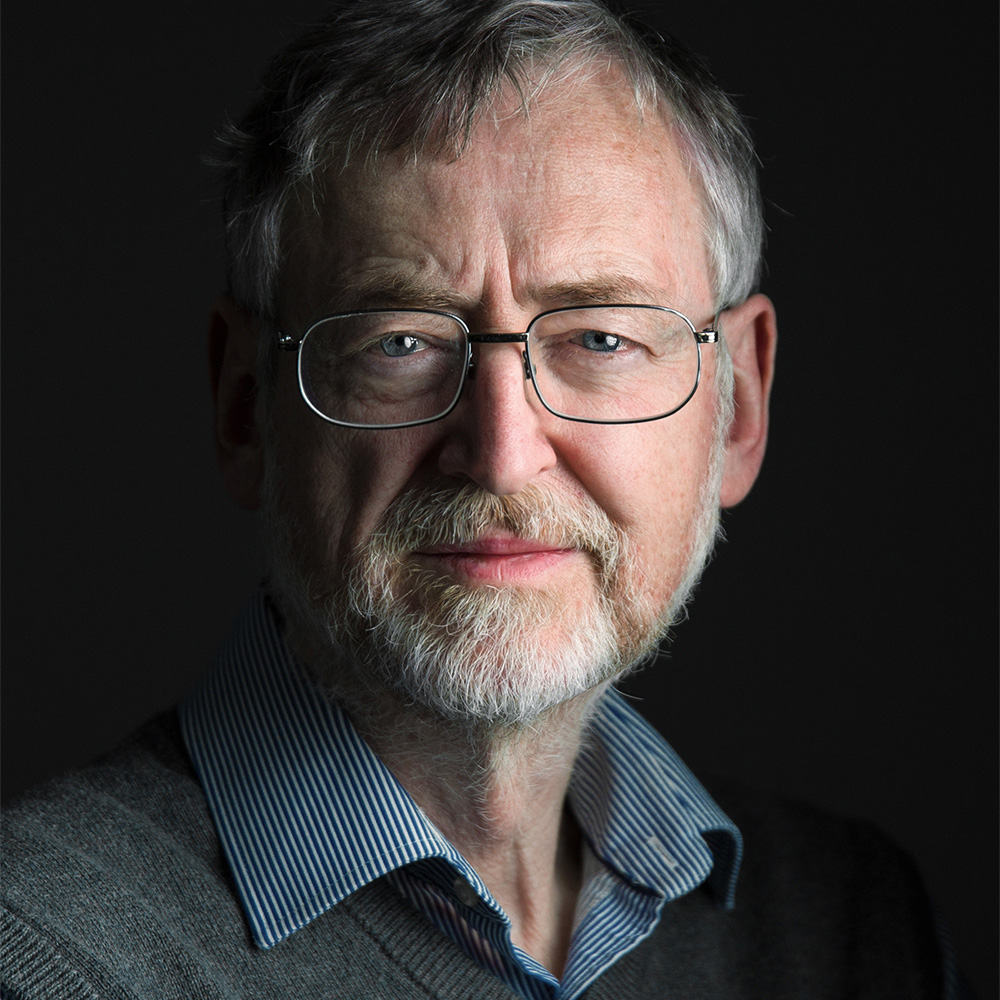
Iggy
McGovern is Fellow Emeritus in Physics
at Trinity College, Dublin. He is also a poet,
blending formal structure, humour and science. Iggy
has published with Dedalus Press three poetry
collections: The King of Suburbia (2005), Safe
House (2010) and The Eyes of
Isaac Newton (2017), and an
anthology 20|12: Twenty Irish Poets Respond
to Science in Twelve Lines (2012). A
Mystic Dream of 4 (Quaternia Press, 2013)
is his verse biography of the nineteenth century
Irish mathematician and poet, William Rowan
Hamilton. His most recent publication Making
Waves (Quaternia Press, 2019) is a verse
biography of the Austrian physicist Erwin
Schroedinger who was a refugee in Ireland 1939-56.
Among his awards are: the Glen Dimplex New Writers
Award for Poetry, the Hennessy Award for Poetry, and
The Ireland Chair of Poetry Bursary.
Website: https://iggymcgovern.com/
|
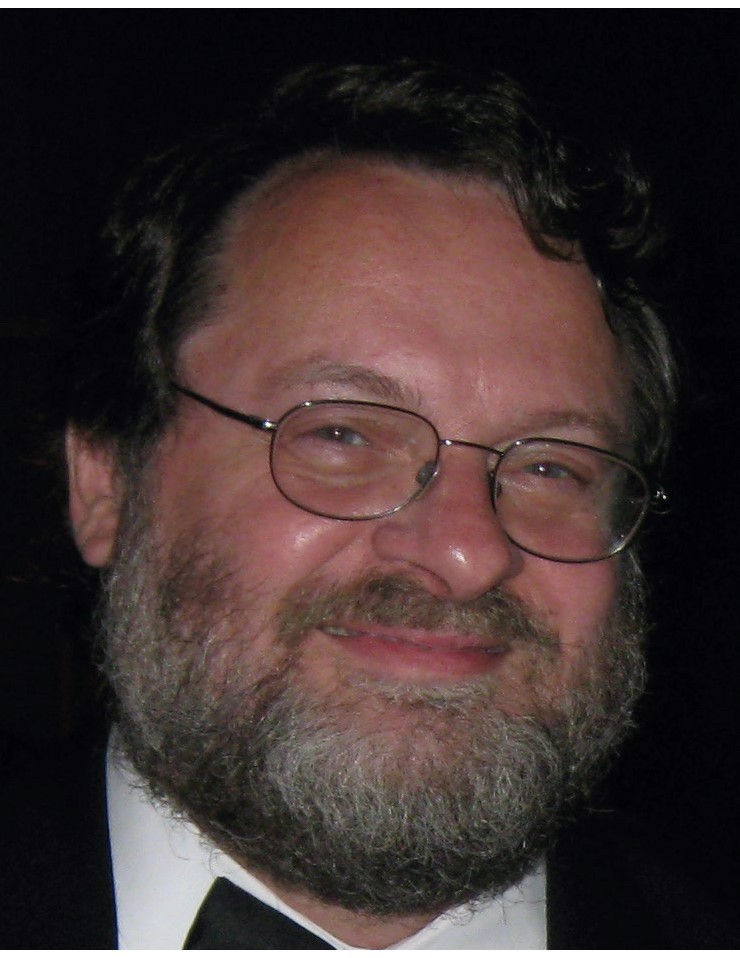
Doug Norton is a professor in the Department of
Mathematics and Statistics at Villanova University.
Doug's first interaction with the math-art community
happened when his proposal for a paper session at the
2003 Joint Math Meeting merged with Reza Sarhangi and
John Sullivan's proposal. He was pulled in by the dynamo
that was Reza, attended Bridges Alhambra 2003, and has
been hooked on Bridges ever since. He pulled his first
all-nighter in ages in his motel room at Bridges Towson
2012, completing the lyrics for his first Bridges
Informal Music Night presentation. Since 2015, he has
attended Bridges and presented a new song each year.
Whether contrafactum or parody or something else
altogether, whether poetry or lyrics, he tries with each
piece to capture some sense of the meeting. Doug's
lyrics are available at his Bridges website.
Website:
https://www.bridgesmathart.org/norton-lyrics/ |
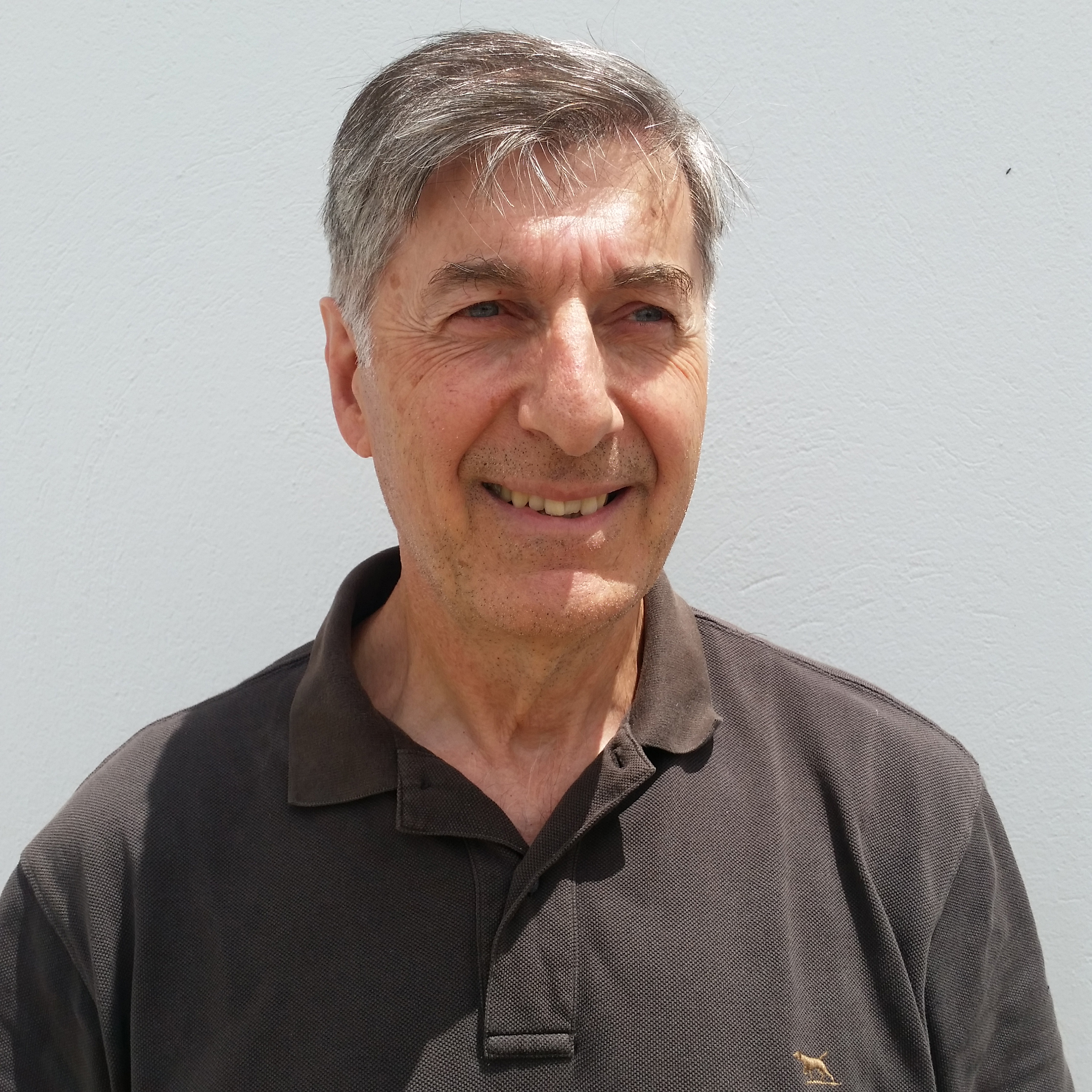
Tom
Petsinis was born in Macedonia and immigrated to
Australia as a child. He is a novelist, playwright,
poet, and part-time mathematics lecturer at Deakin
College, Melbourne. Tom has published ten books of
poetry, including Naming the Number,
Four Quarters,
My Father's Tools, Steles, isolation, and the recent Zero's Whisper (Tantanoola,
2024). His plays include The Drought,
Salonika Bound,
Hypatia's
Circle, Euler's Vision, and Zorba's Last
Dance. Among his works of fiction are the novels The Twelfth
Dialogue, The
French Mathematician, Plato's Number,
Quaternia, Fitzroy Raw, and Fog.
Forthcoming work includes the novella Chiara's
Gown. Tom's work has been translated into a
number of languages. His literary honors include the
Wesley Michel Wright Poetry Prize, the Wal Cherry
Playscript of the Year Award, and a nomination for
South Australian Premier's Award.
Website: http://tompetsinis.com/ |
|
Sample poem: Changes and
Deltas |
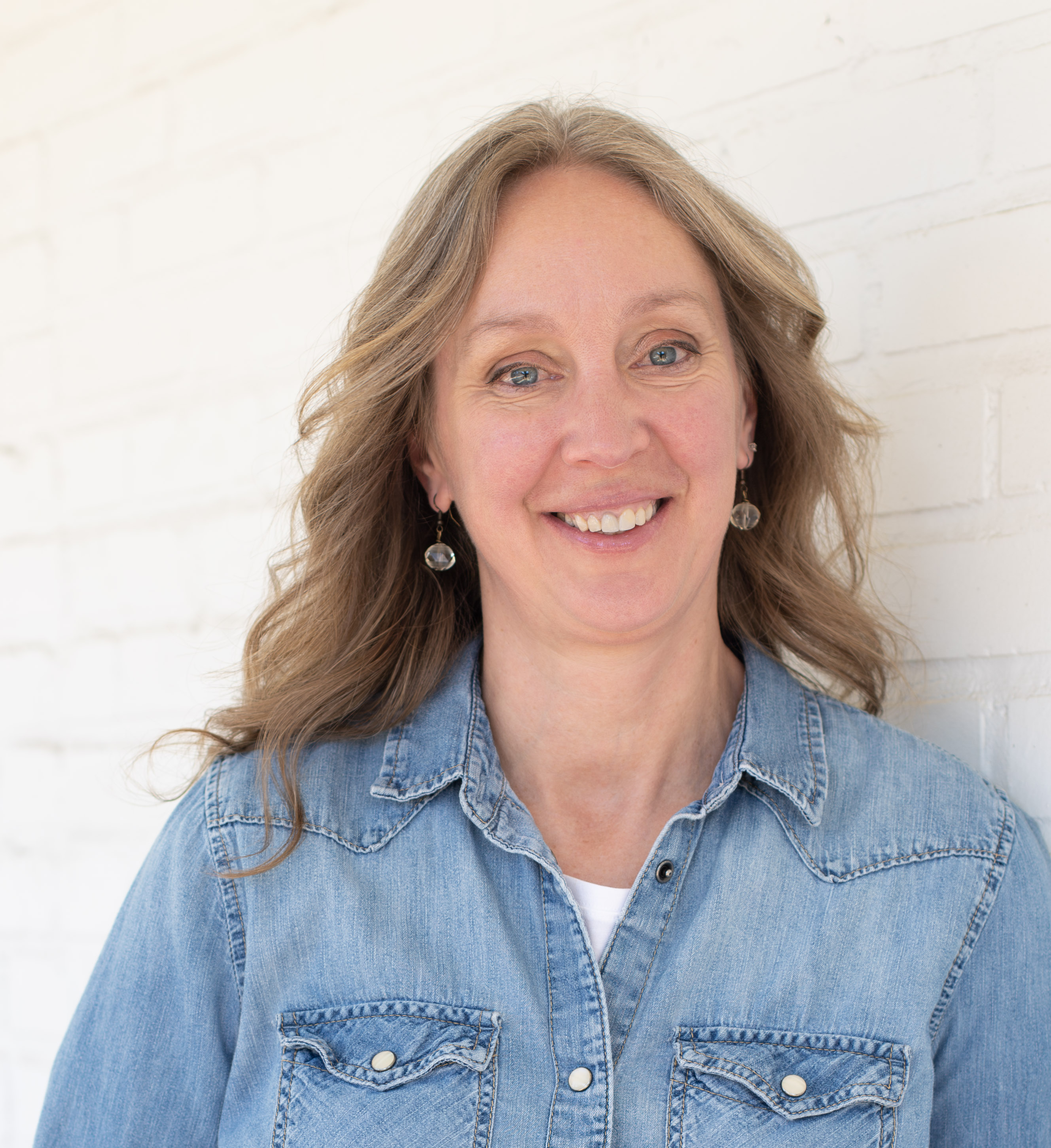
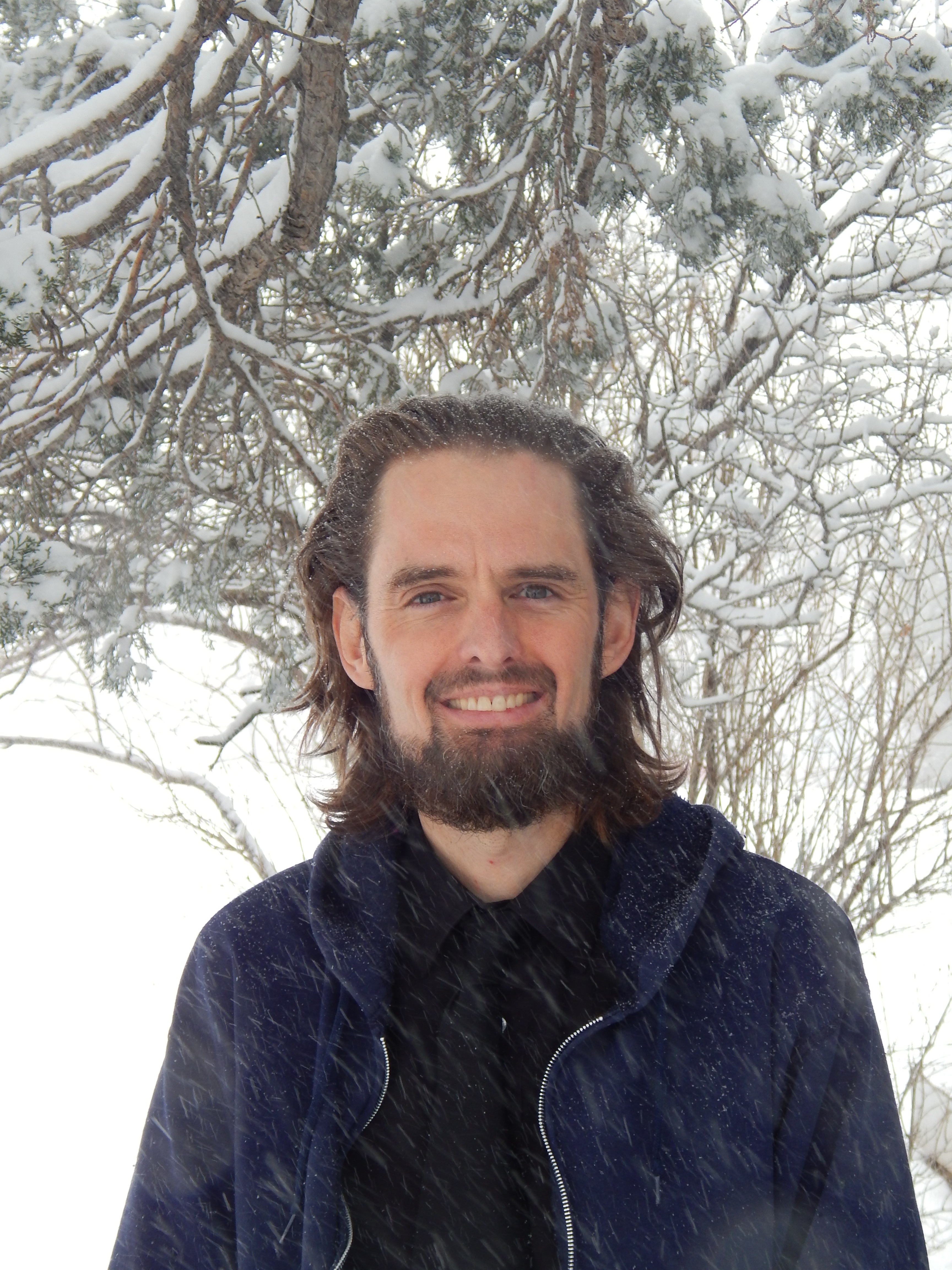
Open Microphone, Shorter Readings, and Late Additions
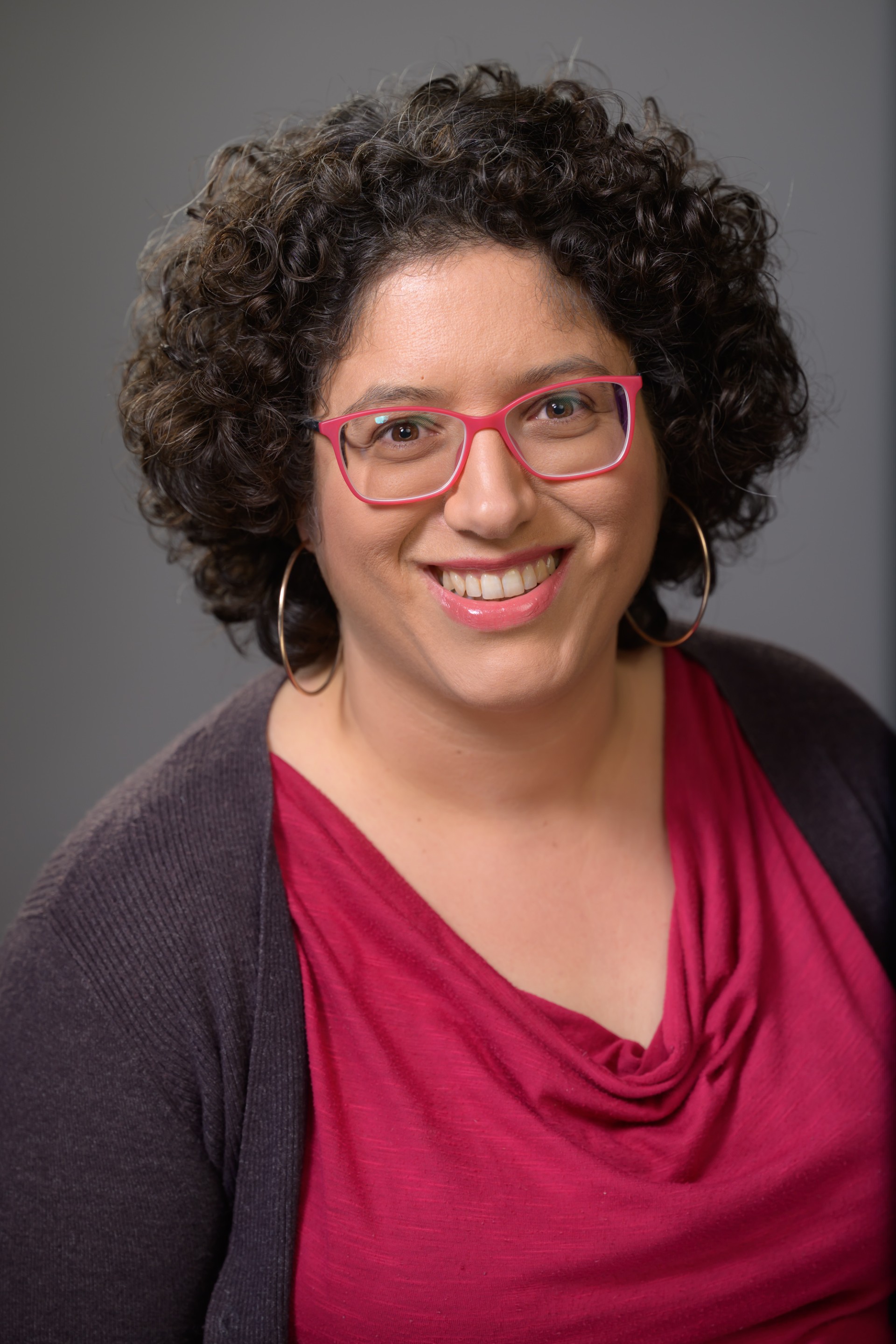
Racheli Yovel
Ben-Gurion
University of the Negev, Be'er Sheva, Israel
https://sites.google.com/view/rachelyovel/home
Sample poem:
The One Shaped
by Us
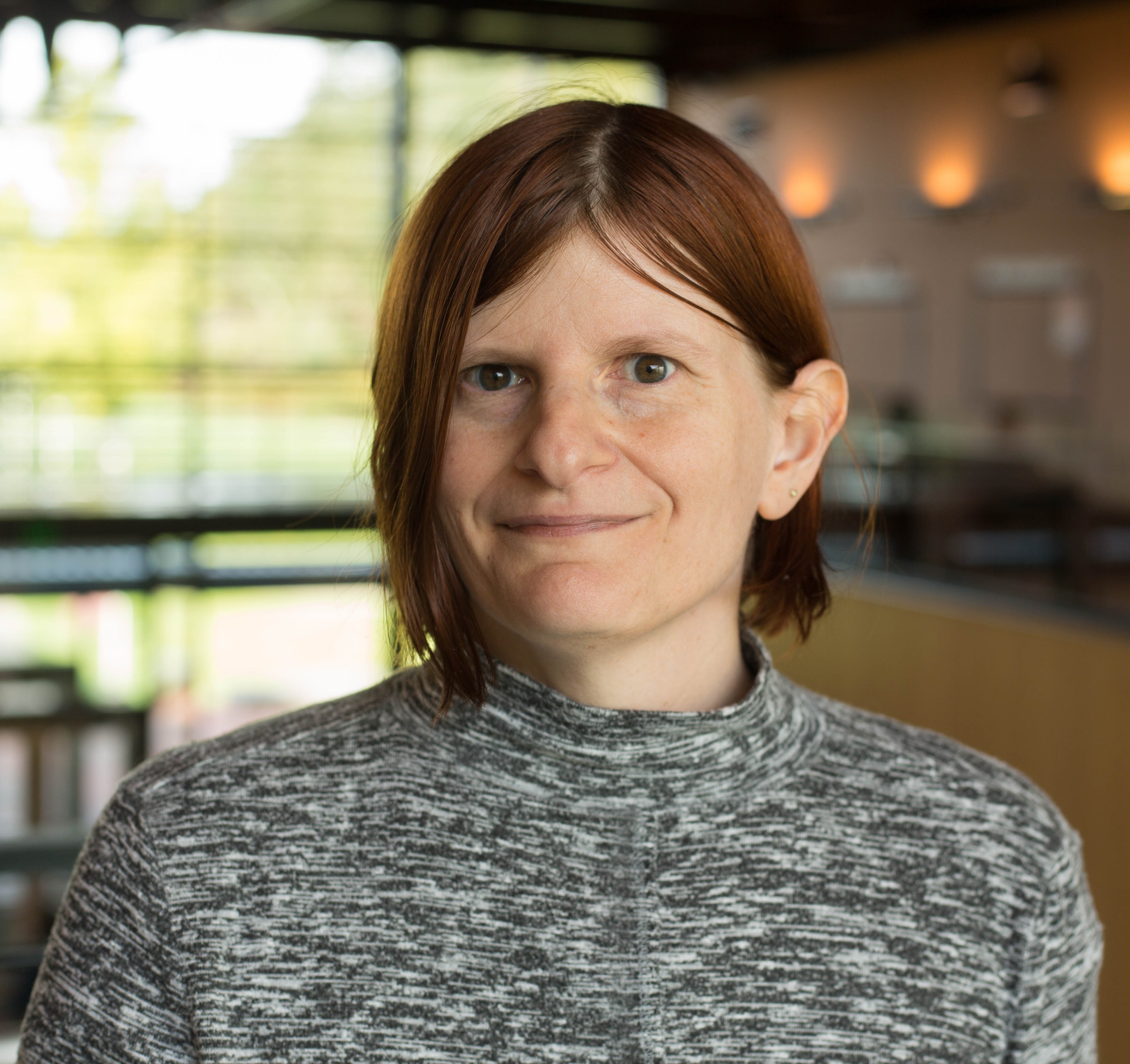
Jessica K. Sklar
Pacific Lutheran
University, Tacoma, Washington, USA
https://sites.google.com/view/jessica-k-sklar
Sample poem: Disciple
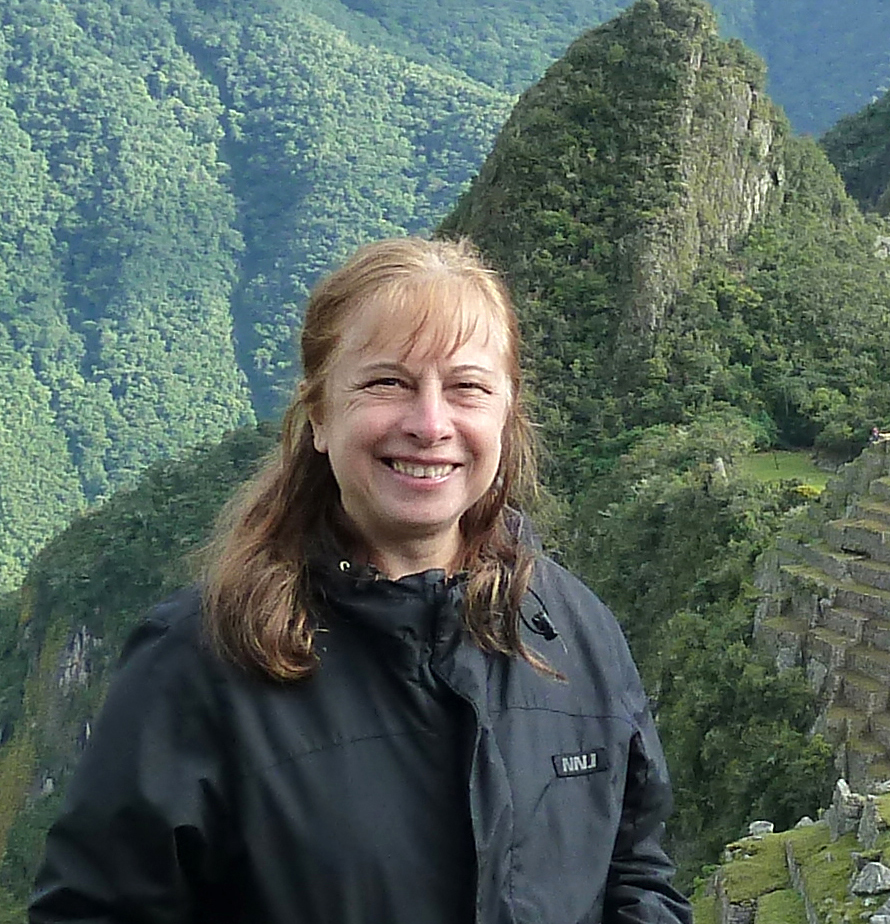
Susana Sulic
Paris, France
http://www.lespressesdureel.com/EN/ouvrage.php?menu=&id=5981
Sample poem: The Vast Milky Way
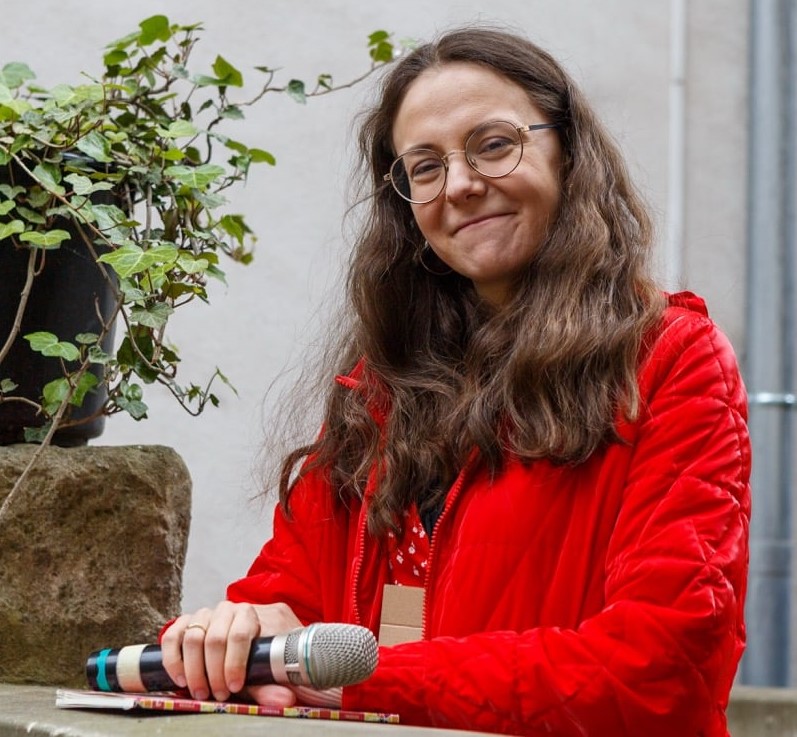
Aleksandra Gorecka
Adam Mickiewicz University and Zaklady Kornickie Foundation,
Poznan, Poland
https://linktr.ee/regula3
Sample poem: As Much as
Is Enough
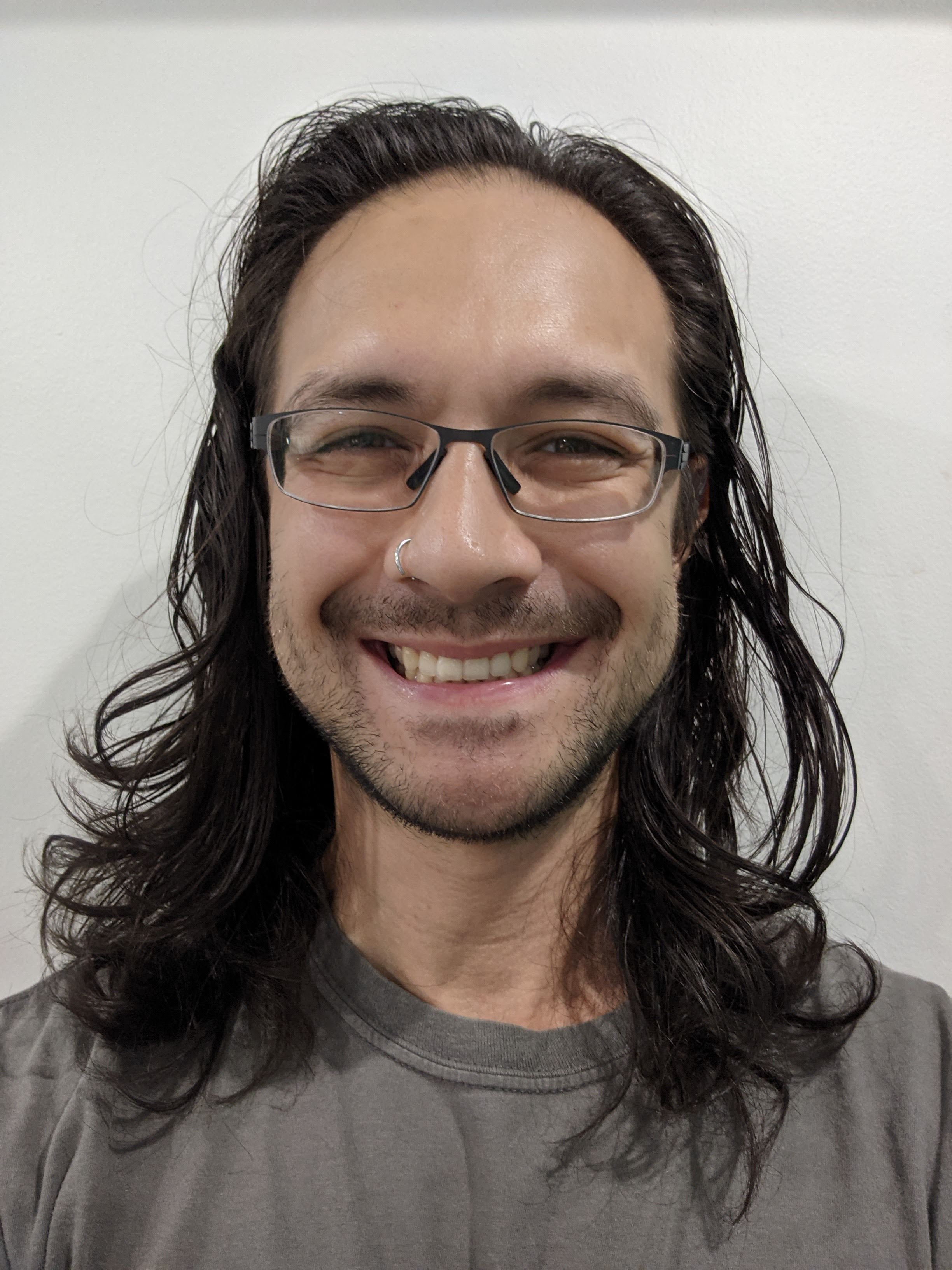
Oliver Podwysocki
University of
British Columbia, Vancouver, Canada
https://ollysmath.blogspot.com/
Sample poem: Cinderella
Must
Hurry
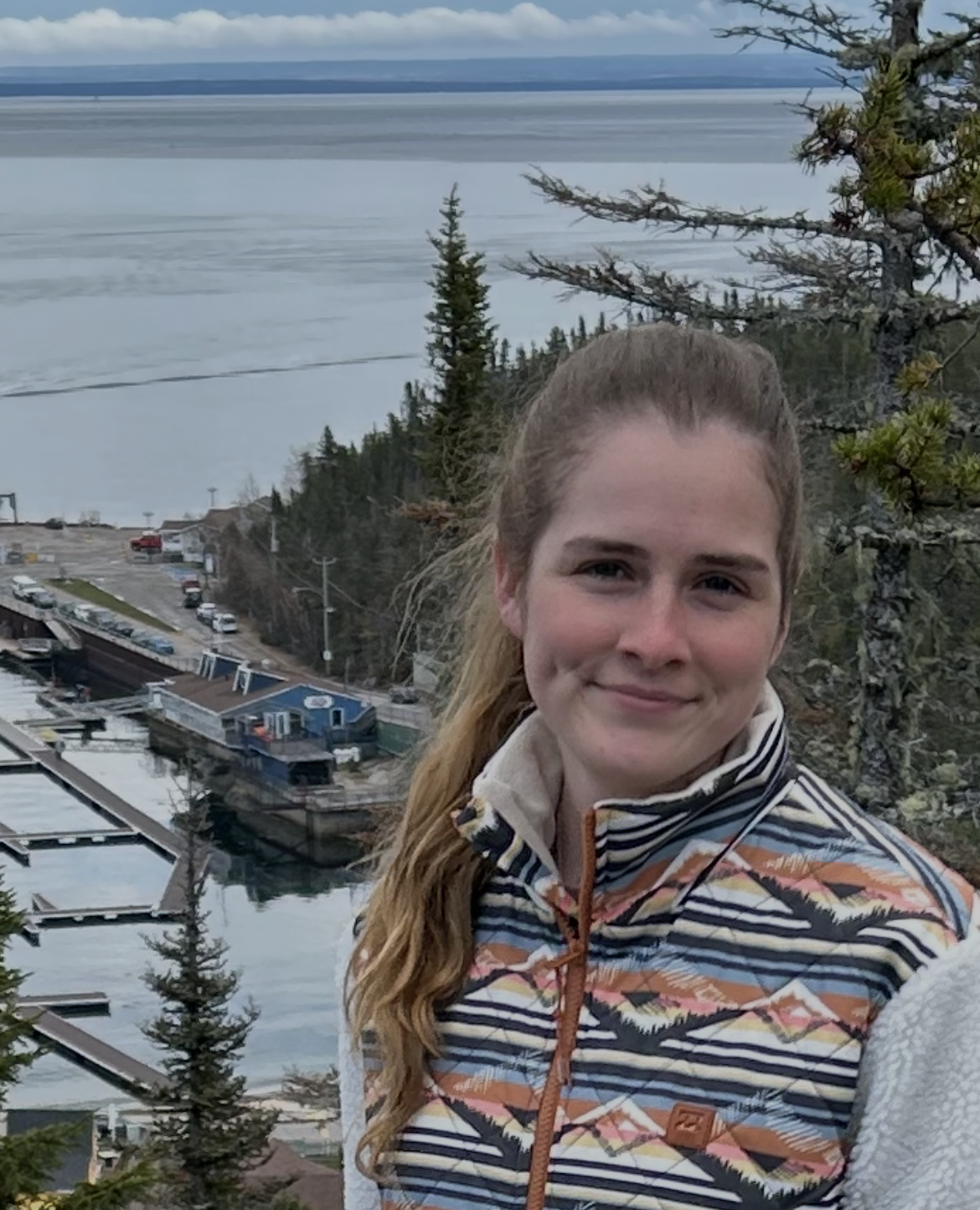
Noemie Deschenes
University of
British Columbia, Vancouver, Canada
https://noemimathjourney.blogspot.com/
Sample poem: Power of
a Round Dance
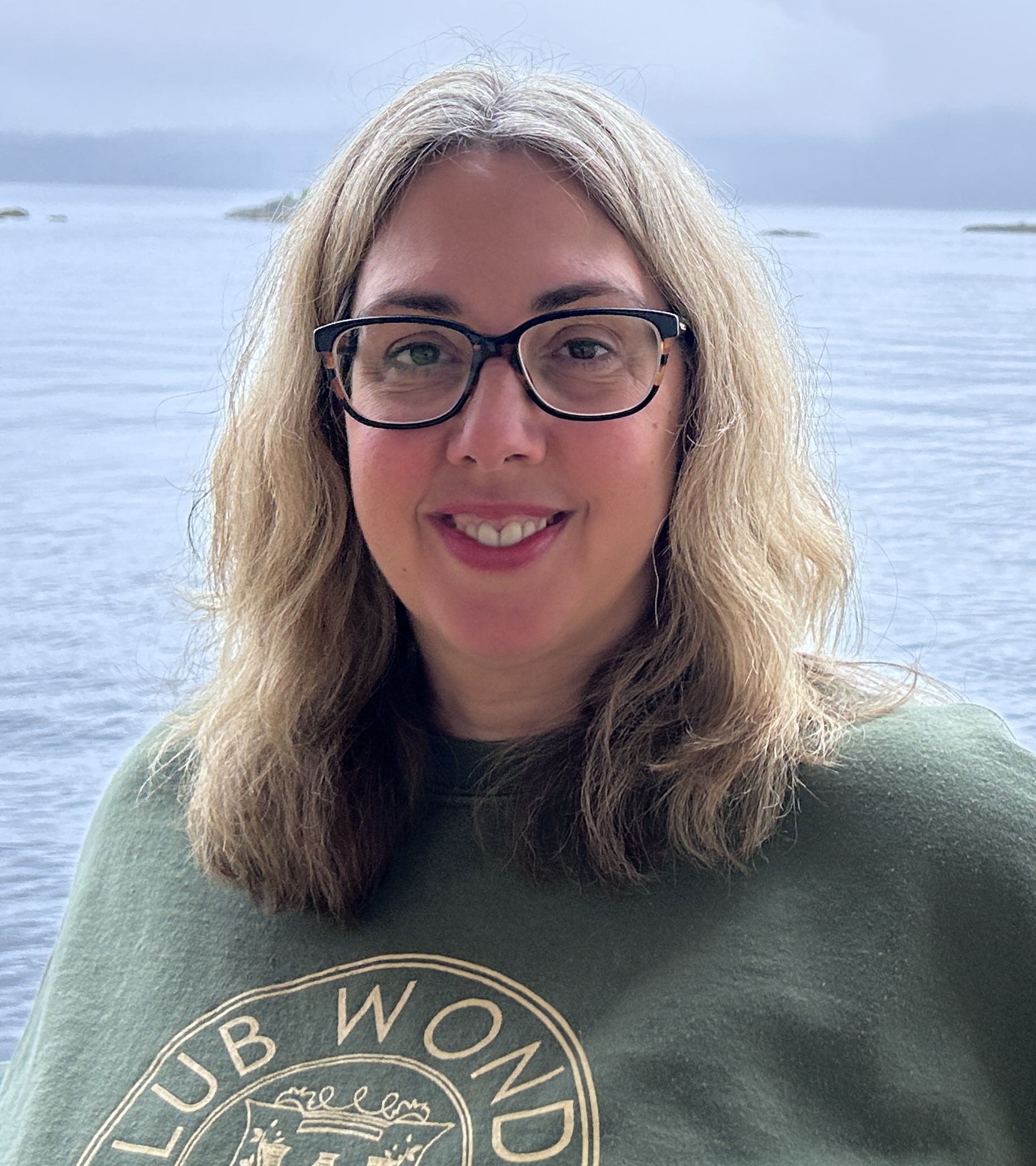
Kristie McClellan
University of
British Columbia, Vancouver, Canada
https://kristiesmathematicalwonderings.blogspot.com/
Sample poem: Right
(Write) Now
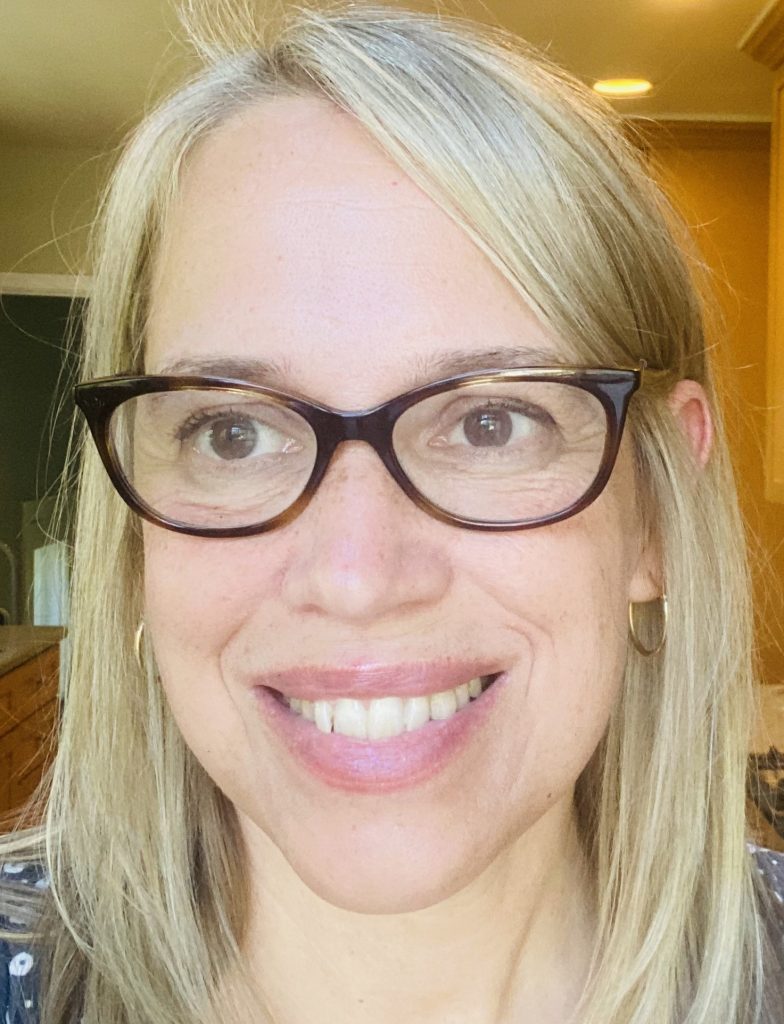
Amy Alznauer
Northwestern
University, Evanston, Illinois, USA
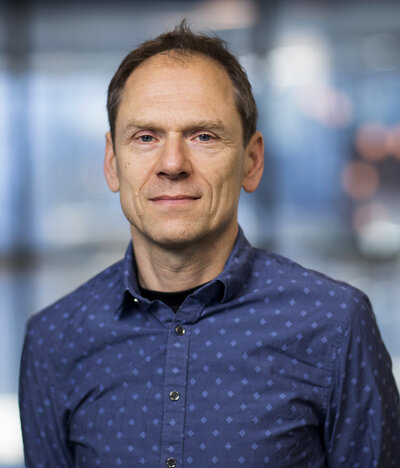
Tom Verhoeff
Eindhoven
University of Technology, Eindhoven, Netherlands
https://www.tue.nl/en/research/researchers/tom-verhoeff
Sample poem: Dear
Cor, Always Busy
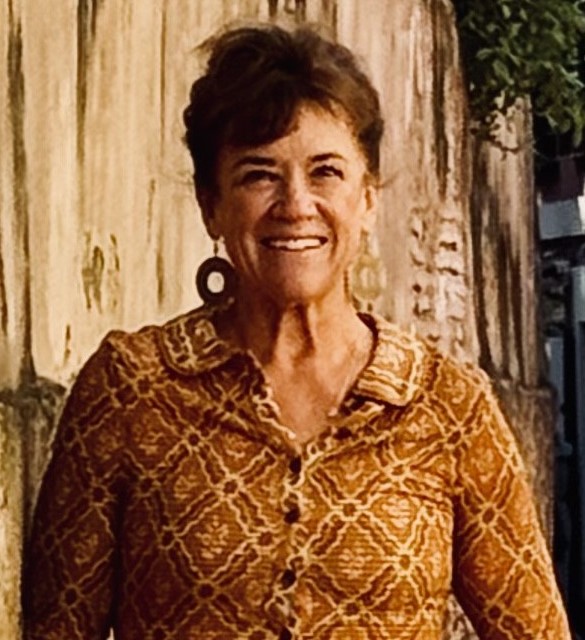
Tammy Douglass-Westergard
Verdi, Nevada, USA
https://www.tammywestergard.com/
Sample
poem: Endings
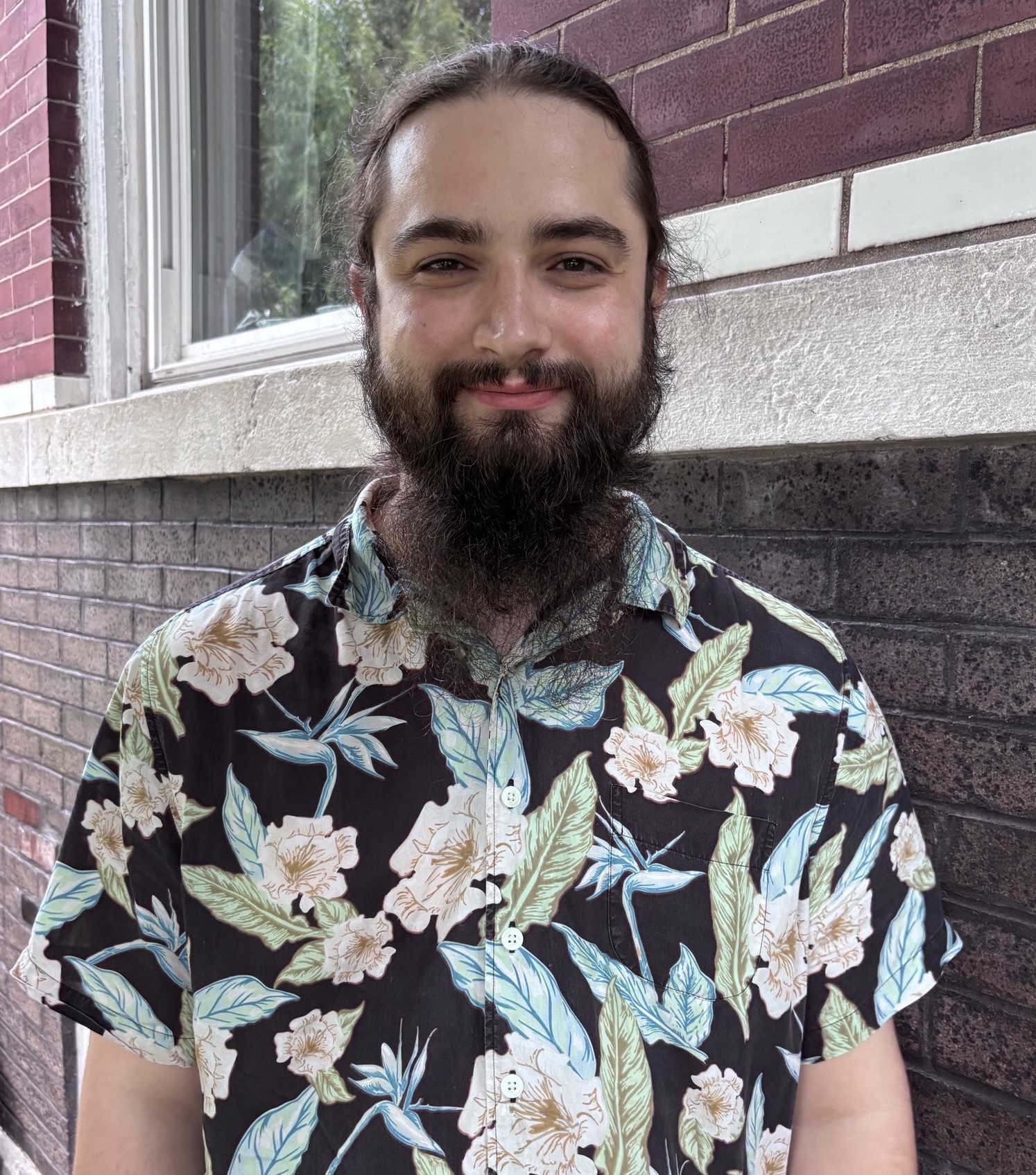
Duston Wetzel
Skidmore,
Missouri, USA
https://www.instagram.com/wetzelsweaves/
Sample poem: Many
Faces
Attention Bridges 2026 participants!
More information at: Call for Open Mic Poems!